Month-by-month: the best time to visit Chicago and what to expect
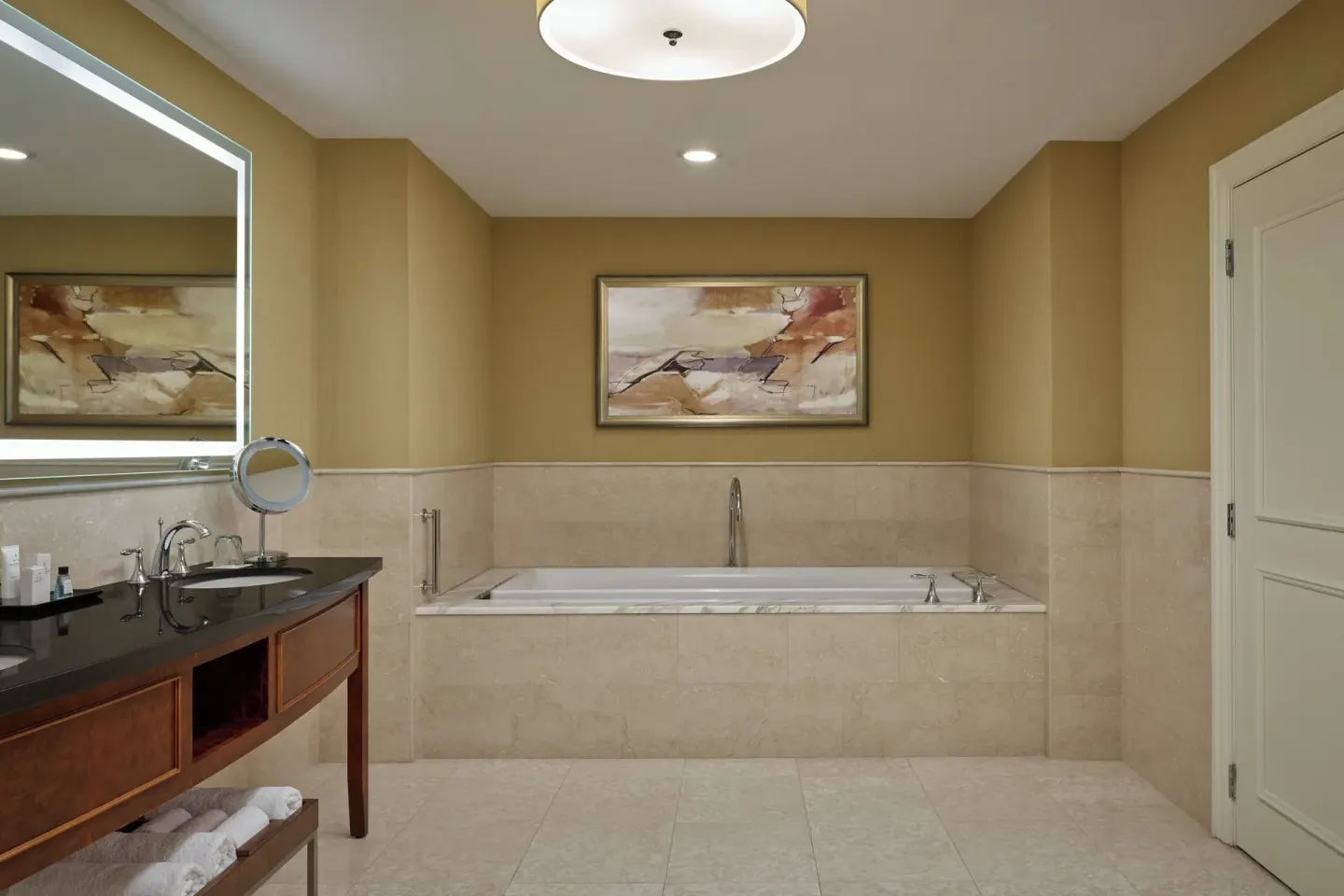
Best time: late spring (May–June) and early fall (September) for the most pleasant weather and easier sightseeing; summer (July–August) is warm and festival-heavy, while winter (Dec–Feb) is very cold with lower rates. Expect a historic downtown location, indoor pool and spa, multiple on-site dining options, and easy access to Willis Tower, Millennium Park and transit from JW Marriott Chicago.
In this guide
- January–February: winter stays and lower rates
- March–May: spring (windy, variable but improving)
- June–August: summer — warm, festival season
- September–November: fall — best weather for sightseeing
- December: holiday atmosphere and indoor comforts
- Rooms, dining and practical tips at JW Marriott Chicago
- Getting around and nearby attractions
January–February: winter stays and lower rates
What to expect: Chicago winter is cold and often snowy. January and February are the coldest months and can have icy sidewalks and windy conditions.
Why stay now: Lower hotel rates and quieter attractions. If you’re comfortable with cold weather, you’ll find shorter lines at sites and more weekday availability for meeting rooms and event space at JW Marriott Chicago.
- Spa at JW Chicago open for facilities daily 8:00 AM–8:00 PM; treatments run Tue–Sat 8:00 AM–8:00 PM and Sun 8:00 AM–6:00 PM (spa closed for treatments on Mondays).
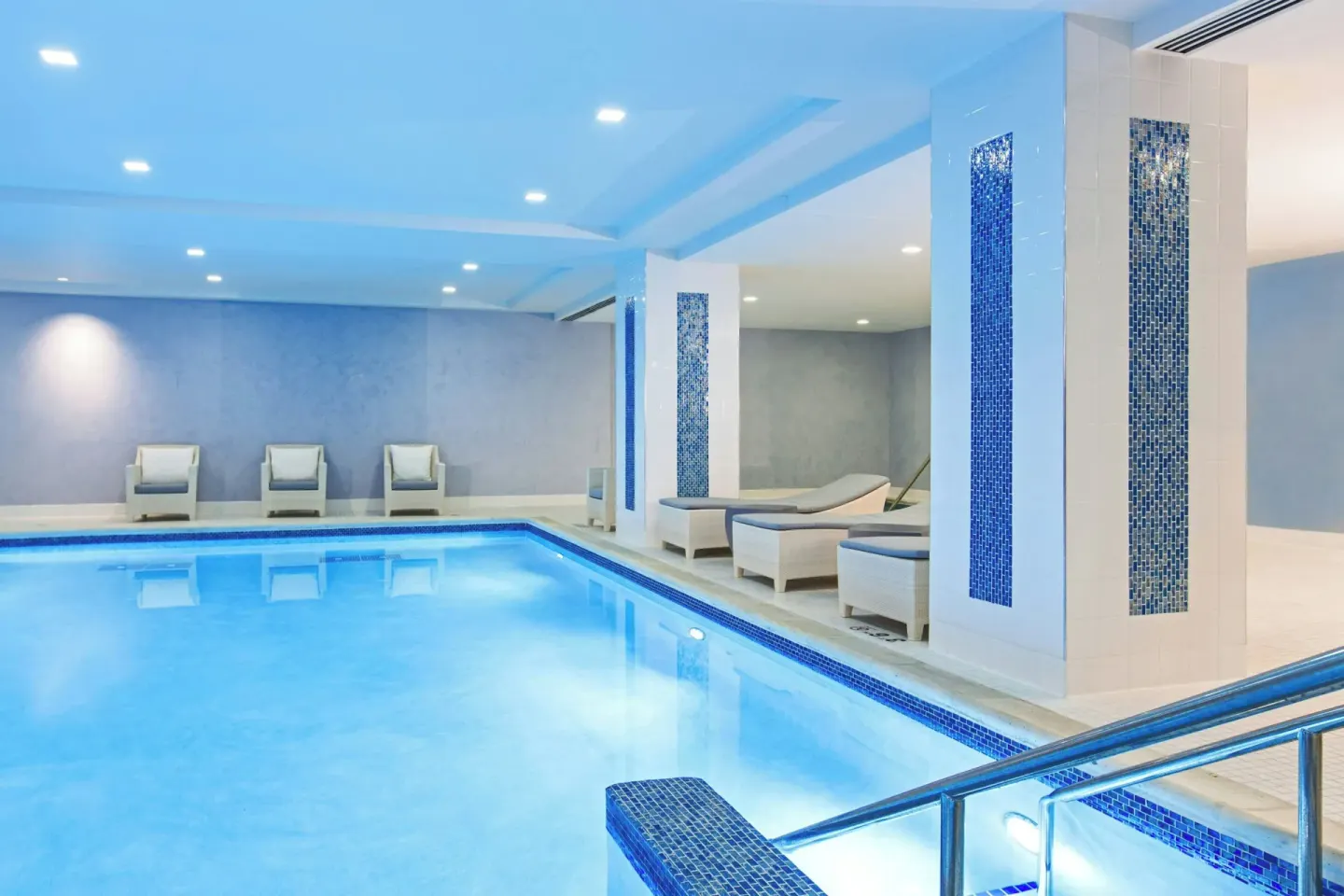
- Indoor heated lap pool and whirlpool available — note some sources restrict pool use to guests 16 and older.
- Transit and walking are still convenient from 151 West Adams Street, but dress in layers and bring traction-friendly footwear.
| Month | Weather notes | Crowds & value |
|---|---|---|
| January | Coldest month; cold and possibly snowy | Lower rates, quieter attractions |
| February | Cold, variable snow/ice conditions | Good value for business stays or off-peak leisure trips |
March–May: spring (windy, variable but improving)
What to expect: Spring can be windy and changeable. Average temperatures rise from around 37°F in March toward the mid-to-high 50s by May.
Why stay now: If you prefer fewer crowds than summer and milder weather than winter, spring is a reasonable shoulder season for walking tours, museums and early outdoor activities.
- Pack layers and a windproof jacket — Chicago’s lake effect can make waterfront areas feel colder than downtown.
- Millennium Park, the Art Institute, and Riverwalk become nicer to visit as temperatures climb; many attractions are within easy walking distance from the hotel.
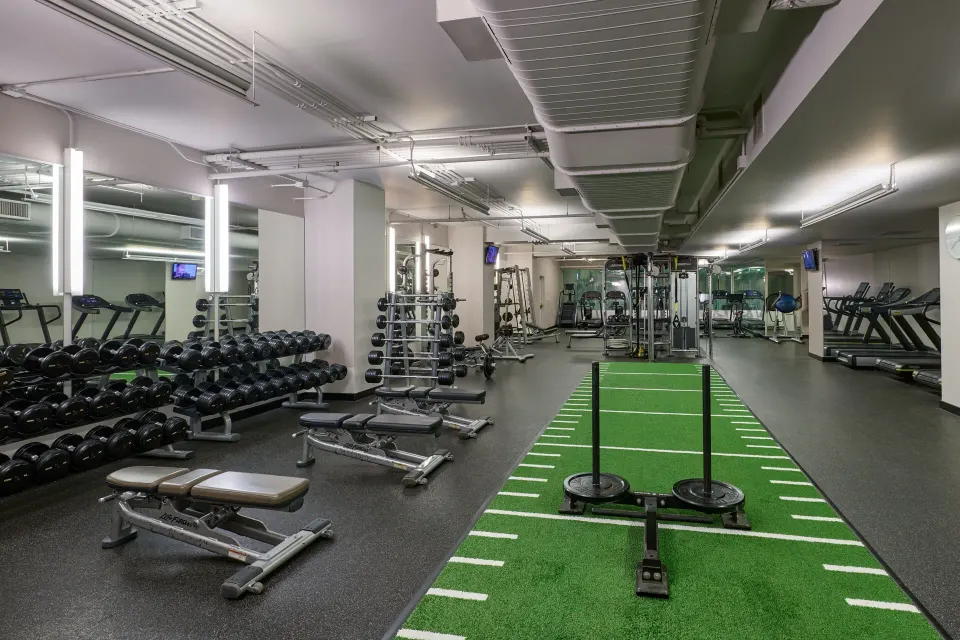
- Hotel amenities such as the spa, fitness center (open 24 hours) and indoor pool offer reliable indoor options on cool or rainy days.
| Month | Typical temps | Good for |
|---|---|---|
| March | Around 37°F (average low) | Indoor museums, hotel spa |
| April–May | Warming toward 59°F by May | Walking the Loop, outdoor cafés on milder days |
June–August: summer — warm, festival season
What to expect: Summer is the warmest and most humid season; August daytime highs are commonly around 82°F. This is peak tourist season with festivals and outdoor events.
Why stay now: If you want warm weather, lakefront beaches and frequent events (Lollapalooza, Air and Water Show and other summer festivals), summer is ideal, though hotels and attractions are busier.
- Expect higher rates and busier sidewalks near Millennium Park and the riverfront.
- Public beaches and many lake cruises operate through Labor Day; Oak Street Beach and the Magnificent Mile are within easy transit or rideshare distance.
- If you prefer quieter hotel time, use the Spa at JW Chicago, the heated indoor lap pool and The Executive Lounge for calm moments.
| Month | Weather | Notes |
|---|---|---|
| June | Warm, becoming humid | Good for early summer events |
| July–August | Warmest, humid (highs ~82°F) | Peak crowds and festivals; beach season through Labor Day |
September–November: fall — best weather for sightseeing
What to expect: Early fall is widely cited as the best time to visit for mild weather and thinner crowds. September often has pleasant temperatures (average highs around 76°F) and clear days for walking the Loop and river areas.
Why stay now: Fewer tourists than summer, comfortable walking weather, and fall foliage beginning in late October make this a strong shoulder season for museum visits and architecture tours.
- September is a sweet spot for outdoor dining on the Riverwalk and easier access to attractions like the Art Institute and Willis Tower Skydeck.
- Late October can bring crisp temperatures and fall color; pack a warm layer for evening walks.
- Hotel event spaces (including the Grand Ballroom and Burnham Ballroom) are available year-round — fall is popular for conferences and weddings.
| Month | Weather | Visitor level |
|---|---|---|
| September | Mild (~76°F highs) | Lower crowds than summer; good for sightseeing |
| October–November | Crisp and cool; foliage peaks Oct–late Oct | Shoulder-season savings possible |
December: holiday atmosphere and indoor comforts
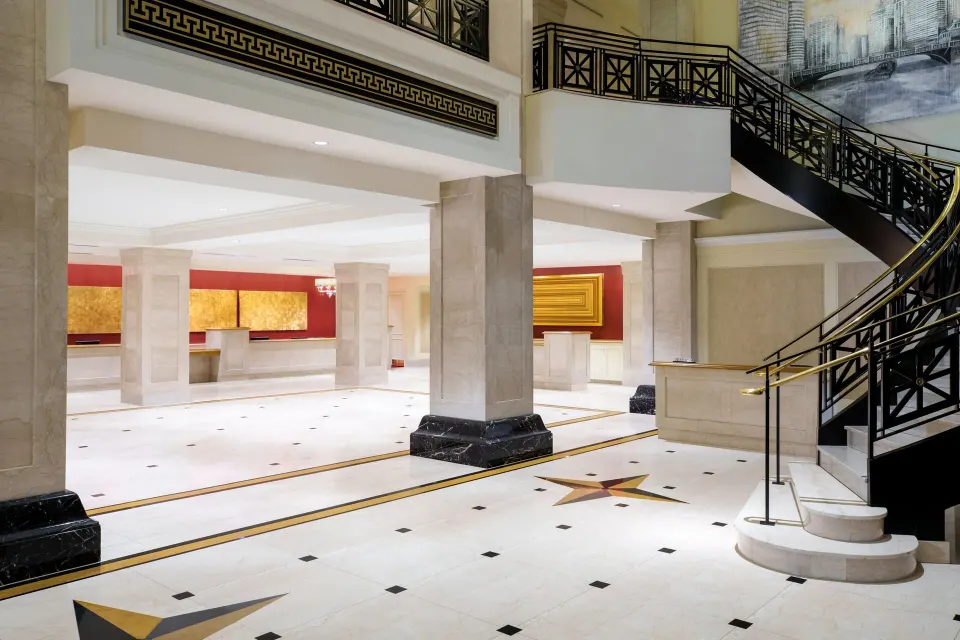
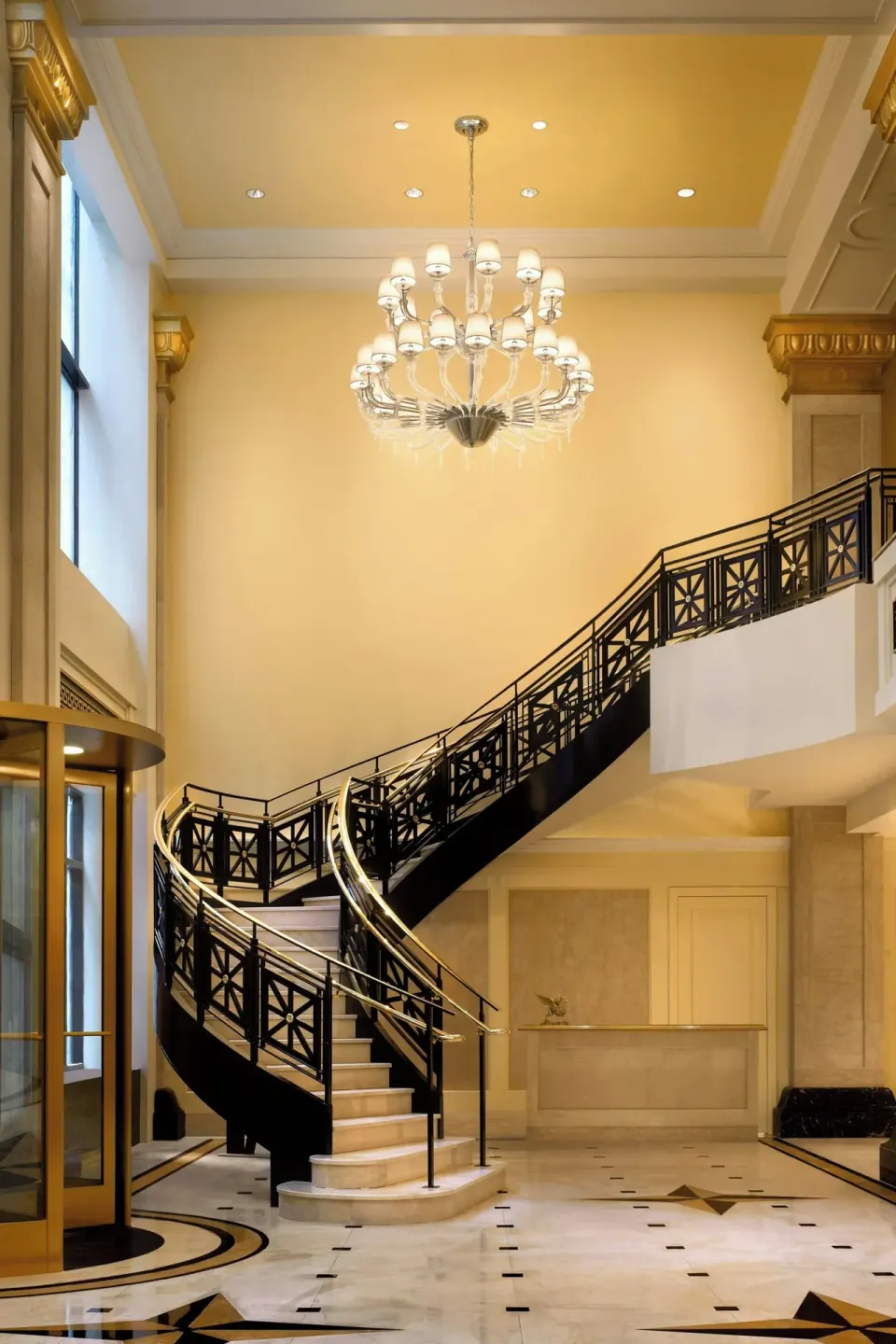
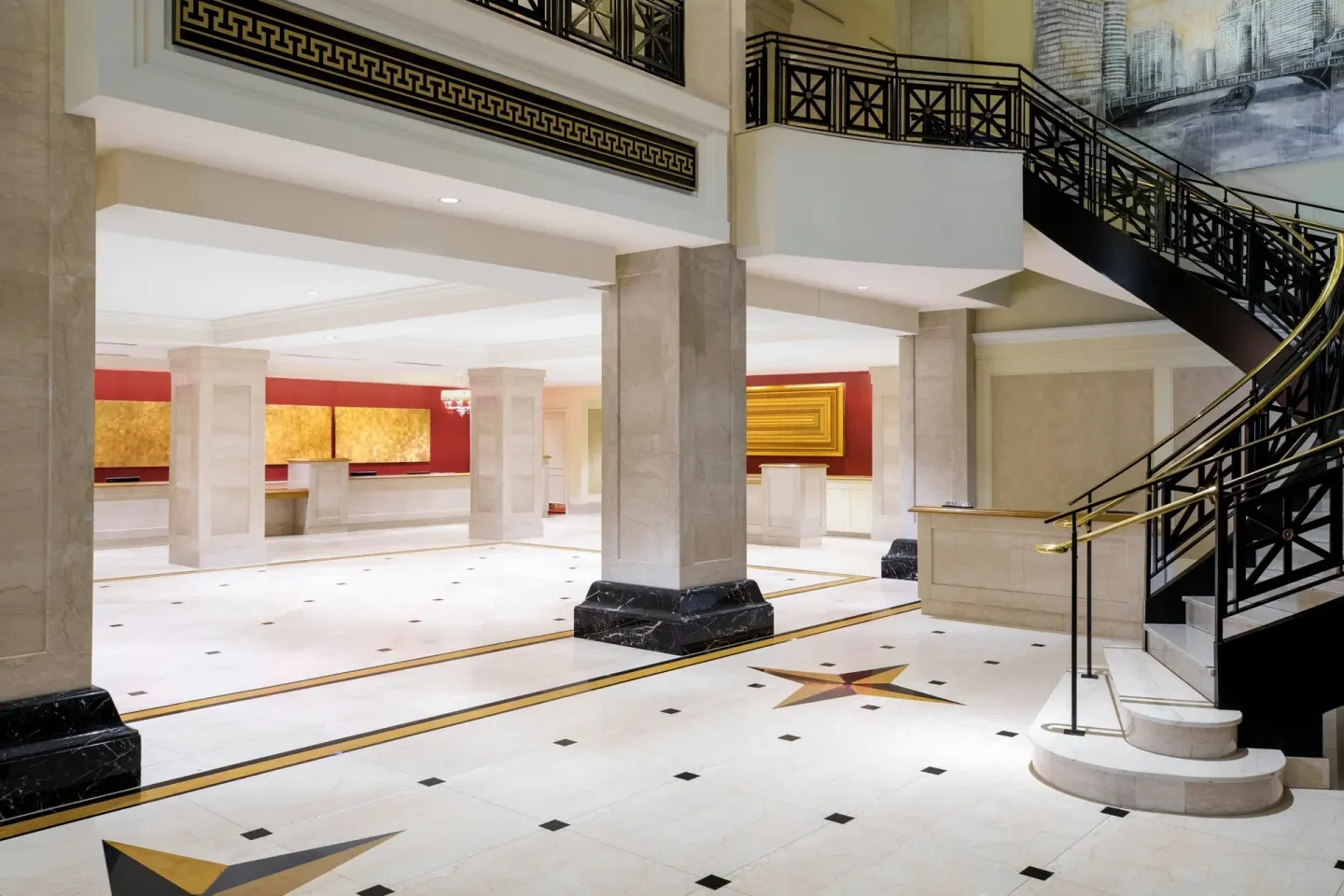
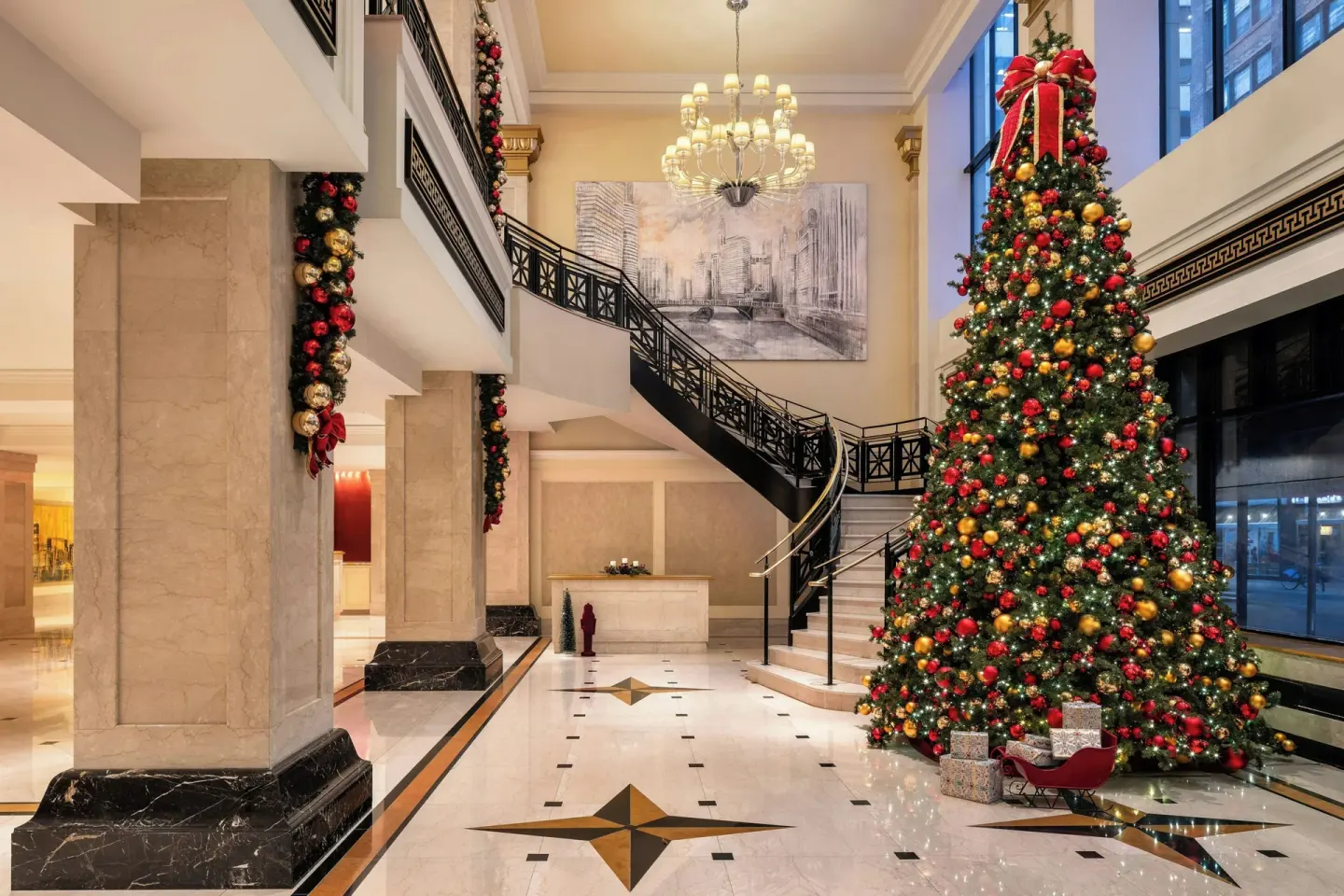
What to expect: December brings winter weather and holiday decorations downtown. The hotel lobby and public areas are often decorated for the season.
Why stay now: If you want a city-break with holiday lights, seasonal menus at Henrietta and Lobby Bar, and the hotel’s indoor amenities (spa, pool, 24-hour fitness) for cold days, December is a good choice.
- Hotel public spaces, including the lobby, are a comfortable indoor base for exploring nearby holiday markets and lights.
- Spa facilities stay open daily and make a practical warm-weather activity; the Spa at JW Chicago welcomes walk-ins but booking treatments in advance is recommended.
- Pool access rules vary by source; confirm current pool hours and age rules with the hotel before arrival.
| Holiday detail | What to expect |
|---|---|
| Hotel decor | Lobby decorations and holiday menus commonly available |
| Indoor amenities | Spa, indoor pool and 24-hour fitness open for guests |
| Travel note | Cold weather and potential snow; allow extra transit time |
Rooms, dining and practical tips at JW Marriott Chicago
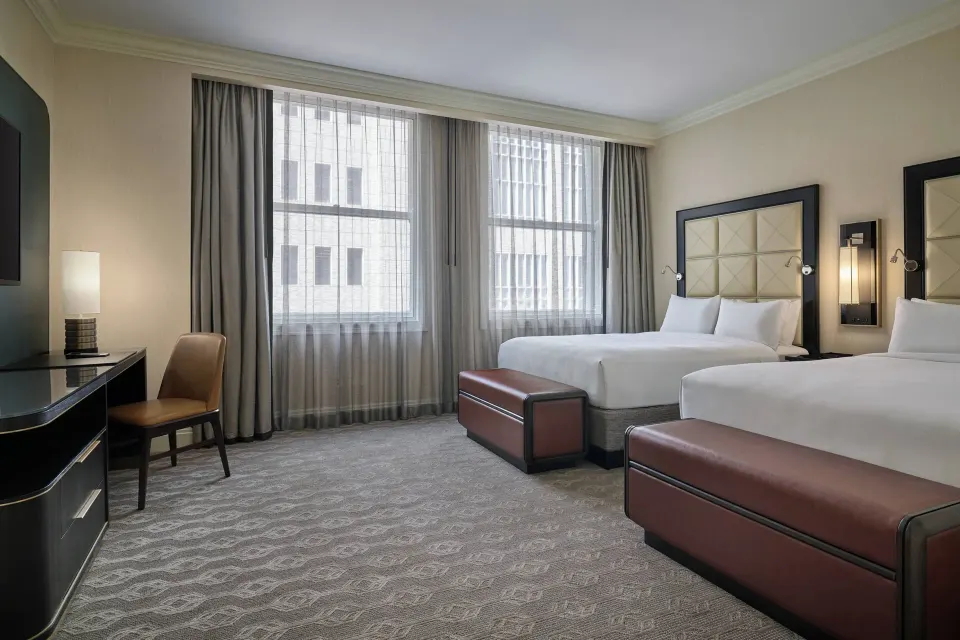
Rooms and suites: The hotel offers room types including Executive Room, Executive Level; Room, 1 King Bed; Room, 1 King Bed (View); Room, 2 Queen Beds; Room, 2 Queen Beds (View); Suite, 1 Bedroom; and accessible variants such as Room (Mobility/Hearing Access, Roll-In Shwr).
Dining and services: On-site options include Henrietta (Italian restaurant), Lobby Bar, Savor by JW in-room dining, The Executive Lounge and JW Cafe. The Lobby Bar hours are listed as 6:30 AM–10:00 PM (extended to 11:00 PM Fri–Sat).
- Check-in is 4:00 PM and check-out is 12:00 PM (noon). Guests should bring a photo ID and credit card for check-in; some booking sites list a minimum check-in age of 21, but Marriott’s property page lists the minimum age as 18 — confirm with the hotel if needed.
- Fitness center is open 24 hours and is complimentary for registered guests; the Spa at JW Chicago has age restrictions (18+ for most services; 16–17 may receive facials with a parent).
- Parking options: valet parking is offered; independent off-site parking is available across the street (rates and availability vary). The hotel does not provide an airport shuttle.
| Facility | Notes |
|---|---|
| Spa at JW Chicago | Treatments Tue–Sat 8:00 AM–8:00 PM; Sun 8:00 AM–6:00 PM; facilities open daily 8:00 AM–8:00 PM |
| Pool | Heated indoor lap pool and whirlpool; some sources restrict pool use to guests 16+ |
| Executive Lounge | Available as an elevated/paid upgrade tier; hours and access vary |
Getting around and nearby attractions
Location: JW Marriott Chicago is at 151 West Adams Street in the Loop, inside the historic Continental & Commercial National Bank building. It's a short walk to Willis Tower (about 4–5 minutes), the Art Institute (about 0.6 miles), Millennium Park (0.7–1 mile) and the Chicago Riverwalk.
Transit: Quincy 'L' station is about a 5-minute walk. The hotel does not offer an airport shuttle; CTA trains connect both O'Hare (Blue Line) and Midway (Orange Line) to downtown.
- Union Station is a 10–15 minute walk, useful if arriving by Amtrak.
- Day trips: Indiana Dunes (about 50 miles) and Milwaukee (about 92–93 miles) are reachable by train; architecture cruises depart seasonally from near downtown.
- If you plan to drive, expect valet parking or nearby off-site lots; verify current parking options and rates before you arrive.
| Nearby | Approx. distance/time |
|---|---|
| Willis Tower | About a 4–5 minute walk |
| Art Institute of Chicago | About 0.6 miles |
| Quincy 'L' station | About a 5-minute walk |